
Soccer Equipment for Kids: What They Actually Need
NEXO FC
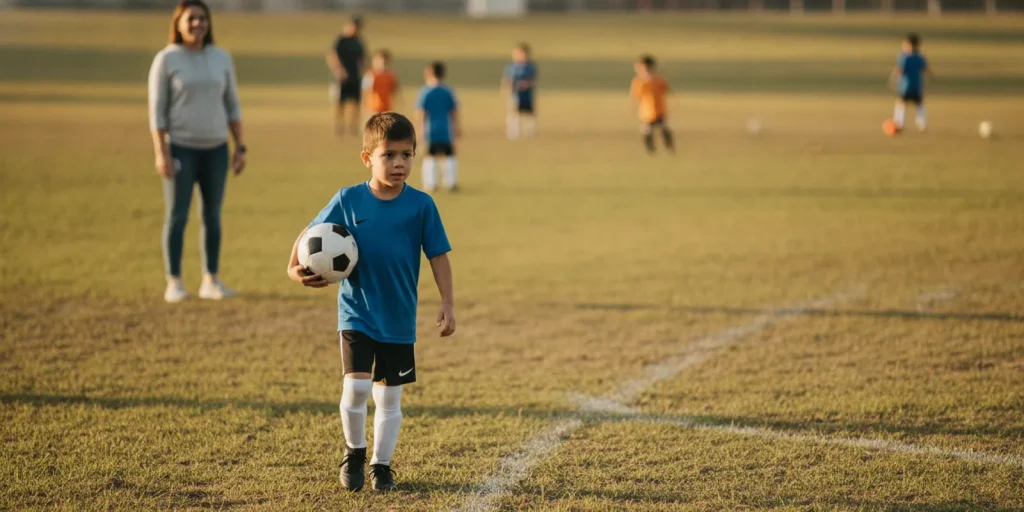
Choosing soccer equipment for kids can feel like a bigger job than it is. Most young players can begin with a few well-fitting essentials: appropriate soccer shoes, shin guards, long socks, comfortable athletic clothes, and access to a ball that suits their age and team rules. The right list depends on where the child plays, what the coach requires, and whether the session is a practice, game, camp, or introductory class. Use this guide to buy what helps your player participate comfortably and confidently—without filling a bag with gear they may not use.
What soccer equipment does a child need to start?
For a first practice, keep the kit simple. Ask the coach or program organizer for the specific requirements before buying anything specialized. If no list is available yet, these items cover the basics for many outdoor youth soccer sessions:
- Soccer shoes suited to the playing surface.
The sole should match the field or facility. Do not assume that one pair works on every surface.
- Shin guards.
Choose a pair that fits the child and stays in place, then wear it beneath soccer socks.
- Long soccer socks.
They help hold shin guards in position and are often required as part of a team uniform.
- Comfortable athletic clothing.
A shirt and shorts or other permitted practice clothing allow the child to move freely. Follow any team color or uniform instructions for games.
- Water bottle.
Label it with the player’s name and bring enough water for the planned session.
- Soccer ball, if requested.
The coach may provide balls at practice, or may ask each player to bring one. Confirm size and whether a ball is needed before purchasing.
Some programs provide or specify parts of the kit. Others expect families to supply them. The distinction matters: buying a ball before learning the required size, for example, can mean replacing it later. Start by checking the registration details, team message, or coach’s equipment list. If those details do not answer your question, ask before the first session.
For families still comparing structured soccer options, the NEXO FC competitive youth soccer program is described for ages 6–12. Younger children may want to learn about NEXO Tots for ages 2–5, which includes age-appropriate movement and ball activities. Equipment requirements can differ by program, so check the specific instructions rather than assuming one list applies to every age.
How do you choose soccer shoes for kids?
Soccer shoes should fit securely, feel comfortable, and suit the surface where the child will play. A cleat that is wrong for the field can be uncomfortable or provide an unsuitable feel underfoot. Begin with the location and surface, not with a particular brand or the most advanced-looking shoe.
Match the sole to the surface
Outdoor grass, artificial turf, indoor courts, and hard outdoor surfaces may call for different shoe designs. Molded studs are commonly used for many outdoor grass settings. Turf shoes have many shorter rubber nubs and are designed for artificial turf. Indoor soccer shoes usually have a flat, non-marking sole for a hard court. These are general categories, not a substitute for a facility’s rules: surfaces and requirements vary, and some venues restrict certain soles.
Ask the coach or venue what surface the team uses and whether there is a shoe policy. If a child plays on multiple surfaces, ask which one matters most for the current program and whether a second pair is actually necessary. For a young beginner who attends one weekly session, starting with the required type is usually more practical than buying shoes for every possible setting.
Check the fit in person when possible
Have the child try both shoes on with the socks they will wear for soccer. Check that the heel feels secure, the toes have a little room, and the shoe does not pinch or slide around. Ask the child to walk, jog, and change direction in the shoes. A shoe that feels fine while sitting may feel different when moving. Avoid choosing a much larger size for the child to grow into if it causes the foot to slide or makes it difficult to move comfortably.
Feet grow, so check the fit periodically during the season. Look for complaints of pressure, rubbing, or discomfort, and inspect whether the toes have become cramped. A quick fit check before a new season can prevent a last-minute scramble. For a hand-me-down pair, inspect the sole and inside lining and make sure the shoe still fits the player, not just that it looks usable.
Does a child need expensive cleats?
Not automatically. Young players usually need a suitable, comfortable pair that follows the program’s rules. The right choice is not determined by a high price, a professional player’s name, or a long list of features. Start with the playing surface, fit, durability, and the family’s intended use. If the child is new to soccer or still growing quickly, consider how long the pair is likely to fit before selecting a higher-cost option.
Do not buy metal studs or unusual sole types unless the relevant league or facility explicitly allows them. Rules can vary. A coach or facility can tell you what is permitted, and that answer should take priority over a general shopping guide.
What kind of shin guards should kids wear?
Shin guards are a core part of a player’s protective equipment and are commonly required for organized soccer. They should cover the shin area appropriately, fit the child’s leg, and stay in place during movement. Follow the competition or program’s requirements about the type and placement.
When trying on shin guards, check that they are not so large that they restrict the child’s movement or press uncomfortably, and not so small that they fail to cover the intended area. Put them on as they will be worn, under the soccer socks, and have the player walk and jog. Some guards use ankle protection; others do not. Choose according to the child’s fit and the program’s rules rather than assuming one style is required everywhere.
A guard that shifts down during activity may need a different fit or a way of securing it that is permitted by the coach. Long socks are often used to hold guards in place. Some players use guard sleeves or athletic tape, but first check any team or competition guidance. Do not rely on tape to compensate for guards that are the wrong size or shape.
Make shin guards part of the routine every time the player takes the field, not an item to remember only for games. After activity, let damp gear dry and check it for cracks, sharp edges, or worn straps. Replace a damaged or poorly fitting pair. If the player reports persistent discomfort, stop and reassess the fit rather than asking them to tolerate it.
Which soccer socks and clothes are useful?
Soccer socks need to be long enough to cover the shin guards and comfortable enough to stay in place during running. Team-issued or team-colored socks may be required for matches. For practice, ask whether any color or style is expected. A sock should not bunch tightly inside the shoe or slip down repeatedly.
For ordinary practice, a breathable athletic shirt and shorts are a practical starting point, unless the program provides a uniform or asks for specific clothing. The child should be able to run, turn, and kick without fabric restricting movement. Avoid clothing with hard objects or accessories that could create a safety issue during play. Tie long hair back so it stays out of the face, and follow the coach’s rules on jewelry and other personal items.
For cooler or wet conditions, use removable layers that the child can manage. A light base layer beneath a practice shirt may help when it is cool; a warm outer layer can be worn before and after activity. Avoid dressing a child in a way that makes movement difficult. Bring a dry layer for the ride home when conditions warrant it. For hot or sunny days, follow the program’s guidance on breaks and sun protection, and ask what items are allowed during play.
Uniform details are program-specific. Do not order a full match kit until you know what the team supplies, what families must purchase, and whether a particular color or design is required. If a player is attending a first session or Open House, ask whether regular athletic clothes are appropriate. That simple check can prevent buying items that are not needed yet.
What soccer ball size should a child use?
Ball size is generally matched to age group or competition rules, but requirements vary. A smaller ball is easier for many younger children to control than an adult-size ball, while older groups may use a larger size. The age division, local rules, and coach’s direction should decide which one to bring. Do not assume the same ball is used across every age group or activity.
Before buying, check three things: the program’s required ball size, whether the player needs to bring a ball, and whether the ball is for individual practice or team sessions. Coaches often have training balls available, so the family may not need to bring one every time. If a ball is needed, the correct size matters more than buying a premium model for a child who is still learning basic control.
Use a ball that holds air and is in good condition. Follow the printed inflation guidance on the ball rather than pumping it as hard as possible. A ball that is too firm or too soft can feel different to kick and control. Store it out of prolonged direct heat and check pressure before a session if the player practices with it regularly.
Families can also read this parent guide to soccer ball sizes by age for more detail. Treat the coach’s or competition’s size requirement as final for a specific team. A general age chart is useful for shopping, but it cannot replace the rule for the player’s actual program.
What should a child pack for practice or a game?
A small, repeatable packing list reduces forgotten items. Keep the routine consistent and let the child help prepare the bag as they become able. For a typical outdoor session, check the following:
- Soccer shoes for the correct surface
- Shin guards and long socks
- Practice clothes or the required uniform
- Water bottle with the player’s name
- Ball, if the coach asks players to bring one
- A light extra layer or dry shirt when useful for the weather
- Any required team item communicated by the coach
For a game, check whether the team has additional uniform requirements, such as a particular shirt or sock color. Confirm arrival instructions, too; they are not equipment, but knowing what to bring and when to arrive helps the player start calmly. Avoid packing valuables, unnecessary accessories, or several backup items that make the bag harder for the child to manage.
Place small items in a consistent pocket. Put shoes in a separate compartment or bag if they are muddy, and air out damp socks and clothing after the session. Write the child’s name on the water bottle and other items where practical. This simple habit can make it easier to identify personal gear when several players have similar equipment.
A simple two-minute check before leaving
- Check the session.
Is it a practice, game, camp, or introductory event? Read the latest message for any special instructions.
- Check the surface and weather.
Pack the right shoes and clothing layers.
- Check the essentials.
Shoes, shin guards, socks, clothes, and water bottle are ready.
- Check the ball requirement.
Bring one only if the coach or program requests it, and confirm the size.
- Let the player do a final look.
A child who knows their kit can gradually take responsibility for preparing it.
Does equipment change by age or type of program?
Yes. A preschool introduction, a youth club practice, a camp, and a match may not require the same items. Age affects fit and comfort; program format affects uniform and ball requirements; the venue affects shoe choice. Rather than buying one large kit in advance, find out what the specific session involves.
For very young children, focus on safe movement, comfort, and simple participation. A toddler’s first soccer experience may center on moving, balancing, becoming comfortable around a ball, dribbling, and simple play. The child may not need a full competitive uniform or personal ball. NEXO Tots serves ages 2–5, but families should ask the program for its current equipment instructions rather than infer them from general advice.
For school-age players in a competitive setting, requirements may be more specific. A team can set uniform details, match-day colors, ball expectations, and permitted footwear. Before a new season, ask what the team provides and what a parent needs to supply. If your child is exploring a structured program, the guide to choosing a youth soccer club offers a wider set of questions about fit beyond equipment alone.
Camps and special events can have their own instructions. Some sessions may ask players to bring a ball or wear a particular color; others may provide equipment. Check the specific event details and contact the organizer if something is unclear. NEXO offers seasonal programs including NEXO Soccer Camps; the relevant camp page or organizer is the place to confirm current dates and what participants should bring.
Match expectations to the first session
A first visit is different from a full season. For a short introductory session, the main goal is to arrive ready to participate in the activities the organizer has planned. The child may need comfortable clothes and shoes appropriate to the location, while the organizer may supply balls or other training items. For a team practice, the player may need to bring the full set of personal essentials. A match can add uniform and color requirements. This is why a general packing list is a useful starting point but not a replacement for session-specific instructions.
Think about what the player will actually do. A young child moving through simple ball activities needs clothing that allows them to bend, run, and change direction. A player in a structured team session may need to wear shin guards and socks from the beginning of warm-ups. Someone attending a camp may have several activity blocks and should know whether water and a change of clothes are needed. The coach or event organizer can explain the format, so families do not have to guess based on a photograph or a product description.
Use gear to support independence
Equipment can also help a child take part in a reliable routine. Let the player find their socks, place the shin guards in the bag, or check that their water bottle is packed. Younger children may need an adult to handle most of the preparation, but they can still learn where their items belong. As children grow, involve them in checking the session message and packing what is required.
Keep instructions simple and consistent. For example: put clean clothes in the main section, place shoes in a separate bag, keep shin guards with socks, and return the water bottle to the same pocket after washing. Do not make the child responsible for purchases or for interpreting complicated equipment rules. The adult can confirm requirements with the coach, while the player practices taking care of familiar items.
If something is missing, avoid turning a small equipment problem into pressure on the child. Contact the organizer, explain what is unavailable, and ask what the player can safely use for that session. Requirements differ, and the organizer can say whether a loaner or an alternative is allowed. The aim is to help the child participate while respecting program rules, not to assume every family has the same gear at home.
What equipment is optional, and what can wait?
It is easy to confuse useful extras with necessities. A player’s first kit rarely needs every item in a sporting-goods aisle. Begin with the equipment required to participate safely and follow the program’s rules. Add optional items only when the player has a clear use for them.
- Extra balls:
One suitable ball is enough for many families, and some teams provide practice balls. Ask before buying multiple balls.
- Training cones and ladders:
These can be used for individual drills, but a child does not need them to attend team practice. Follow a coach’s suggested activities if practicing at home.
- Specialized recovery or performance products:
They are not basic youth soccer equipment. Do not treat a product as a substitute for coaching, rest, or ordinary care.
- Multiple pairs of cleats:
A second pair may be helpful for a player who regularly uses different surfaces, but it is not automatically necessary. Check the venue rules and actual schedule first.
- Large equipment bags:
Choose a size the child can carry and organize. A simple bag with space for shoes, clothing, and water is often easier than an oversized bag full of unused gear.
- Branded accessories:
They are optional unless a program specifically requires them. Do not assume a particular brand is part of a team kit.
When deciding whether to buy an extra, ask: Is it required? Does the child use it regularly? Does it fit and suit the playing surface? Can we wait until the coach confirms? If the answer to the first three is no and the last is yes, there is little reason to rush.
Build the kit in stages
A staged approach keeps the first purchase practical. Before the first session, find out what must be worn or brought that day. Purchase the core items that the program confirms, then wait to learn whether the player enjoys the activity and wants to continue. If the child joins a team, the coach can clarify uniform details and any additional equipment. Later, if the player practices at home or attends sessions on different surfaces, consider whether a ball or second shoe type has a clear purpose.
Keep a short list of what the family already owns. A properly fitting athletic shirt, shorts, and water bottle may already work for practice. A ball from another activity may not be suitable if the program specifies a particular soccer ball size, but there is no need to replace a usable item until the coach confirms what is needed. This simple inventory helps families avoid duplicate purchases and lets children recognize which gear belongs in their soccer bag.
Consider fit and expected use together, not price alone. A child who is growing quickly may outgrow shoes or clothing before they wear out, while a frequently used item may need to be more durable. Ask whether a team provides anything, whether families can borrow a practice ball, or whether the coach has a preferred time to buy a uniform. These questions are practical planning, not a reason to delay an item the program says is required.
What should families bring for weather and the sidelines?
The player’s on-field equipment is only part of a comfortable session. Conditions in the Houston area can vary, and field time may involve both active play and waiting. Check the forecast and the organizer’s updates on the day of the activity. Follow the coach’s or venue’s instructions if weather changes affect the session.
For warm conditions, bring a filled water bottle and clothing that allows comfortable movement. A cap or other sun-protective item may be useful before or after play, but ask whether it is permitted during activity. Do not assume that an item allowed while arriving is allowed on the field. If the event organizer gives instructions about water breaks or what to wear, follow those directions.
For cooler or damp weather, pack a removable warm layer and a dry shirt or socks for afterward. Avoid relying on a heavy layer the child cannot move in. If a child will wait between activities, a light jacket or blanket for the sideline may be more useful than wearing every layer while playing. A small towel and a bag for wet clothing can also help keep the car and the rest of the kit dry after a rainy session.
Parents watching from the sideline may want a folding chair, a light rain layer, or sun protection for themselves, depending on the venue and event instructions. These are family conveniences, not player equipment. Check where spectators may sit and whether the venue allows chairs, umbrellas, or other large items. Keeping the sideline kit separate from the player’s bag makes it easier for the child to find their own essentials.
Do not bring snacks or sports products that the program has not asked families to provide. If a session is long or the player has specific needs, ask the organizer what is appropriate and allowed. Label containers and take trash home or use the venue’s bins. A simple, tidy setup supports the group without adding clutter to the field area.
How can parents keep soccer gear comfortable and ready?
Equipment works best when it fits, is in good condition, and is ready when the player needs it. A short routine after practice can help: take off damp clothing, let shoes and shin guards dry, check for damage, and return the essentials to the same place. This is also an opportunity to notice whether anything needs replacing before the next session.
Inspect shoes for a loose sole, a damaged closure, or an uncomfortable interior. Check shin guards for cracks or sharp edges, and make sure straps or sleeves still hold the guard securely. Wash socks and clothes according to their care labels. Keep the ball clean enough to handle and check that it is not losing air. These ordinary checks are more useful than buying accessories to solve a problem caused by worn or poorly fitted equipment.
Children grow at different rates, so recheck the fit when seasons change or the player mentions discomfort. A shoe that fit a few months ago may now feel tight. A shin guard that moved very little last season may no longer sit correctly. Ask the child how the gear feels while moving, not only when standing still.
For practice at home, keep activity appropriate to the space and the child’s ability. Clear the area of objects that could be tripped over or damaged, and use a ball and footwear suited to that surface. A small amount of open space and a ball may be enough for simple touches; specialized gear is not a prerequisite for enjoying the game.
What should you ask a coach before buying soccer gear?
A quick question can prevent mismatched or unnecessary purchases. Before a new program or season, ask:
- Which items are required for the first session?
- What type of playing surface will the team use, and what shoes are allowed?
- Does the player need a personal ball? If so, what size?
- Are shin guards required at every session, and are there any rules about their style?
- Does the program supply a uniform, or should families wait for a team order?
- Are there different instructions for practices, games, camps, or Open House sessions?
- How should families get updated if the equipment list changes?
If you are unsure whether a particular program fits your child, resolve that question before investing in a large gear package. An introductory event lets a family see the setting and learn more about the program. You can also review NEXO’s Open House information and confirm current event details directly before attending.
Find out about a NEXO Open House
Frequently asked questions about soccer equipment for kids
Can my child wear regular sneakers to soccer?
It depends on the surface and the program’s rules. Some introductory activities may not require cleats, while organized outdoor soccer or a particular facility may specify suitable soccer shoes. Ask the coach or venue before the first session. Do not wear a sole type that the facility prohibits.
Are shin guards required at practice?
Many organized programs expect shin guards whenever players take part in soccer, but each program sets its instructions. Use a correctly fitting pair beneath long socks and follow the coach’s requirements. If a guard is damaged or will not stay in place, replace or refit it before the next session.
Does every child need to own a soccer ball?
No. Some coaches provide balls for practice, and some programs ask players to bring their own. Ask whether one is needed and confirm the correct size before buying. If the child practices at home, one ball that meets the program guidance is usually a practical starting point.
Should I buy a full uniform before my child joins a team?
Wait until the coach or program explains what is supplied and what families need to purchase. Team colors and uniform requirements can vary. For an introductory session, ask whether ordinary athletic clothing is acceptable and whether any equipment is provided.
What is the best first purchase for a new player?
Start with the required, well-fitting basics: shoes appropriate to the surface, shin guards, long socks, and comfortable athletic clothes. Add a ball or team uniform only after checking the program’s instructions. That keeps the first kit focused on what the child will actually use.
The best soccer kit for a child is the one that fits, follows the program’s rules, and makes it easy to join the session. Confirm the requirements first, begin with the essentials, and add gear as the player’s needs become clear. That leaves more room for what matters most: learning, moving, and enjoying the game.
Categories
NEXO FC
Find your player's next step
Four ways to play at NEXO FC, all led by the same coaching staff.